

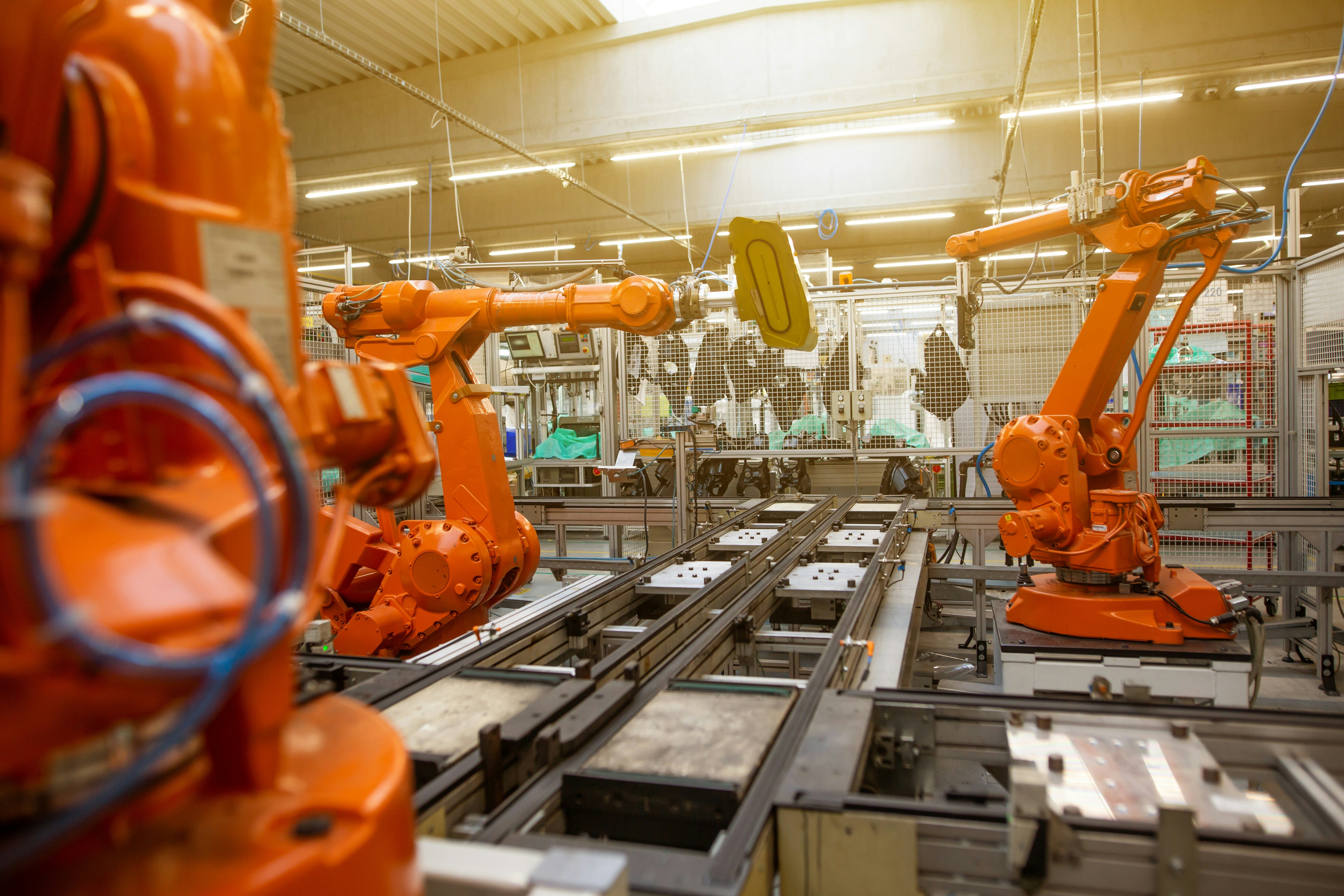
Suppose AI, and the robotics that follow it, keep improving exponentially. Then what we’ve called “work” disappears, and people might get to live more humanly than ever. The optimistic version, anyway.
By “humanly” I mean a phrase the philosopher Koichiro Kokubun borrows at the opening of The Ethics of Boredom and Leisure (2011): a life needs roses, not only bread. Bread is what you need to stay alive — food, a roof, the wages that pay for them. Roses are what make being alive worth it — music, ornament, travel, a night with other people. Kokubun takes the contrast from a lecture by the English designer William Morris (1879), who argued that people should work not merely to eat but to decorate their lives with roses.
Right now most of us are tied up with bread. Take that away, and we turn to the roses.
Not everyone, though
At the same time, I suspect people who don’t have roses — or can’t make them — will end up chasing romance, porn, games and drugs. People who do will live something like a Roman citizen’s life: culture, all day.
What happens to the system
Without work, prices change and so does capitalism itself. Do we end up with something closer to a state-managed, communist-ish society? Probably not — people are foolish. There will still be people who want to display power, and inequality will still exist. But the floor may well be higher than it is now.
What gets stronger
So what gets stronger is this: things with a narrative (the background, more than the thing itself), offline, human, and available only then.
Offline matters for a simple reason: what AI can make cheaply and endlessly is whatever lives on a screen. Text, images, music, someone to talk to — as long as it’s digital, the cost of copying it falls to almost nothing, and people don’t pay much for what costs nothing to copy. What’s left is what can’t be copied: the fact that on one night, in one room, you were there with those people. You can’t take it home, and it won’t happen again tomorrow.
Matching people with people stays in demand for the same reason. Until now, people have met each other half-automatically, through companies and workplaces. When work goes, so does that machinery. To meet anyone, someone has to make a room, invite people, and put them together — and that someone will be a person with a face, not an AI.
In short: here and now matters. Experiences that can’t be repeated matter.
A new way to measure a person
Once people are no longer labour, you can’t evaluate them as labour. You need another axis. That’s where narrative comes in. Not what you do, but what story you’re in.
And yet, people are foolish
In any era, people fight and reach for power. I used to think wars wouldn’t happen if every country had abundant resources. I no longer think so. Wars happen out of boredom and a hunger for status.
Without roses
So, where you can, keep a sensible distance from work-as-we-know-it, and shift toward making and enjoying culture. I suspect that’s the richer way to live — because we can’t live without roses in the first place, and the world we’re heading into is one where enjoying them is said to be what richness means.