

Regardless of genre, I personally think there are three kinds of DJ. If you had to split them, that is. In practice, DJs don’t sort into three boxes. Every DJ carries all three of these, in different proportions. What follows describes the three ingredients.
The bodybuilder. A set locked in advance, delivered at full intensity, with the DJ getting high on it and the room getting high watching. Closer to bodybuilding than to performance.
It’s the kind of big-room show deadmau5 described in 2012 when he wrote, himself included, that “we all hit play.”
The craftsman. Reads the room, but hands and sound come first. Adjusts endlessly. The posture is closer to a sound engineer’s than a performer’s.
Jamaican sound systems — the street-corner rigs of stacked speakers that grew up in Kingston in the 1940s, and the crews that ran them — split the job into roles: the selector, who picked the records and read the crowd; the operator, who ran the speakers; the technician, who built and fixed the gear; and the MC on the mic. The craftsman descends from the gear side: operator and technician.
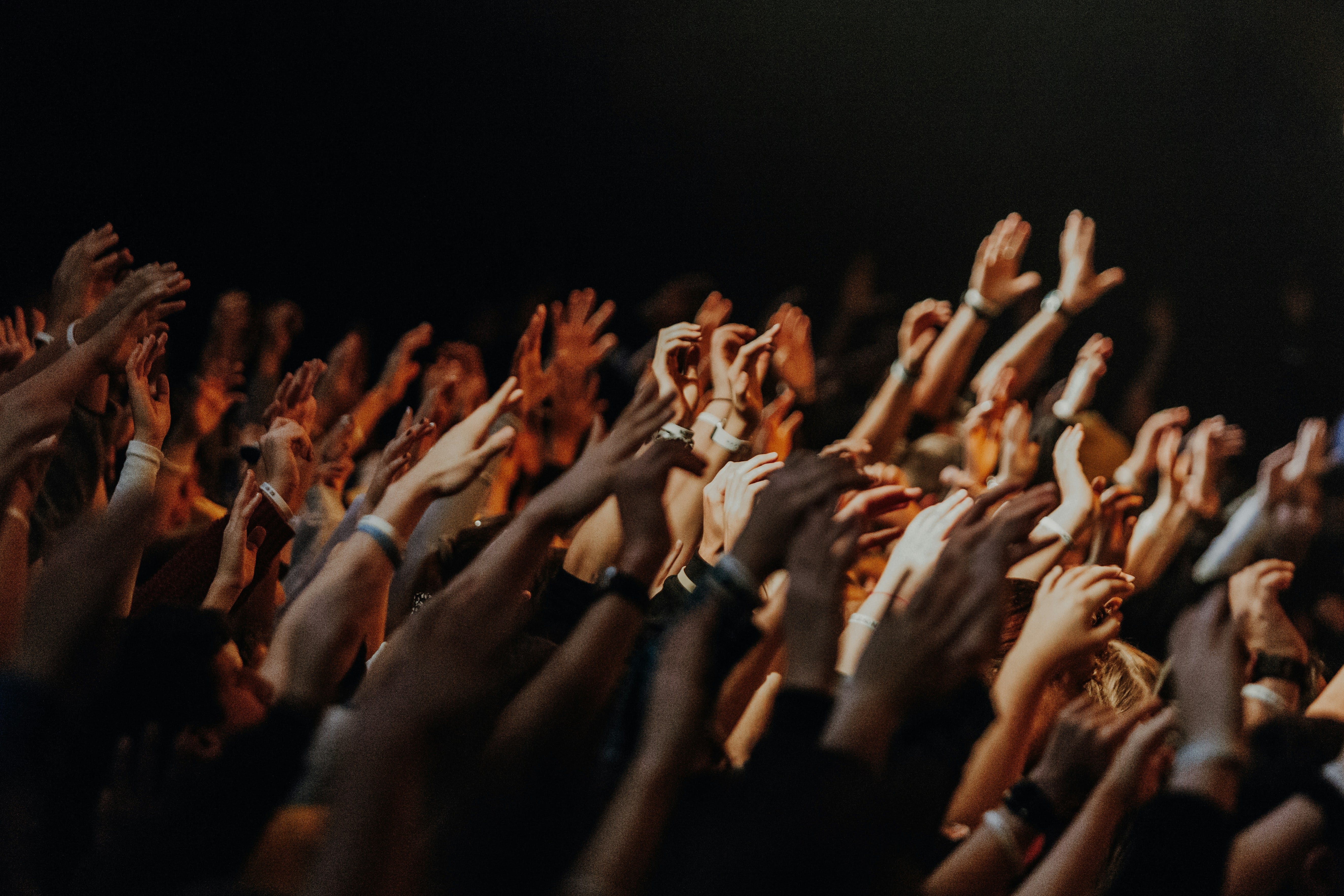
The miko. Named for the shrine maiden of Japanese ritual — the attendant who serves as a vessel. Reads the energy of the room as it is right now and gives the people in it everything. Watches the hour and the arc of the whole party, adjusting all of it live. Takes the room over, in the good sense. Clears it.
Brewster and Broughton’s Last Night a DJ Saved My Life is often cited for tracing the DJ back to the shaman, from a time when dance and religion were close, and Larry Levan’s Paradise Garage has been described as a “Saturday Mass.” But miko may be the more accurate word. A shaman lets the spirit in and becomes the centre. A miko is the vessel, the channel. And at the same time, she is the lead — and she makes everyone on the floor a lead too.
Anime-song clubs and the miko
The miko type turns up in every genre, but Japan’s anikura — anime-song club nights — seem to have more of them. There, the floor arrives already the star. Calls, sing-alongs, otagei (the choreographed fan dances): a complete expressive repertoire, on the crowd’s side. The DJ’s job is to trigger it. There are bodybuilders here too, of course. But anikura runs on a philosophy of lift-the-floor-and-nothing-else-matters, and more often than not the DJ and the crowd are fans of the same thing, cheering for it together.
Yardsticks, and the balance of power
Obviously the yardstick changes with the organiser and the purpose of the party. A festival peak and six in the morning ask for different things. With the bodybuilder, the DJ tends to be the overwhelming lead, and the floor looks up. The craftsman and the miko are the lead too — but they share the lead with the floor. The balance of power is different from the start, which is why they can look less flashy next to the bodybuilder. None of this is a ranking. In front of ten thousand people, a pre-built bodybuilder set is probably what most people want. In a small room at six a.m., someone who can read the room like a miko tends to be what the night needs.
The rarest one
I’ve been to a lot of parties and raves, and I love all three. But personally, the DJ who has both the miko and the craftsman in them is the rarest, and a party with that DJ on is the best kind of night. I’m grateful they exist. If you’d like a night out like that in Tokyo — anikura or any other genre — try the Custom Japan Itinerary. If a DJ like that is playing, or a great party is on while you’re here, I’ll point you to it.